
Our Mission
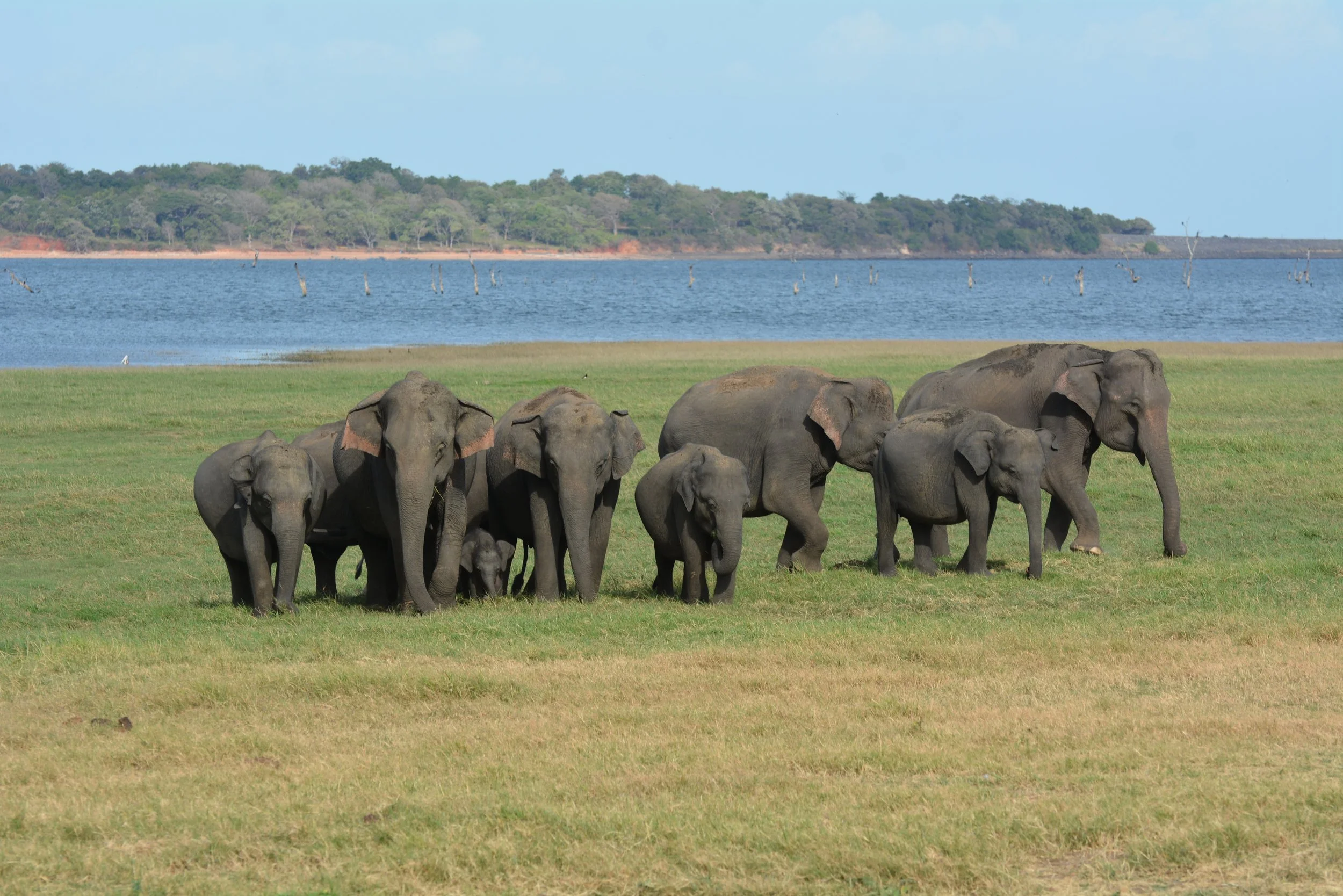
We are a group of researchers using interdisciplinary science to inform conservation efforts in Sri Lanka, all to better the lives of elephants and the people who live among them.
Asian elephants are symbols of cultural and environmental heritage for Sri Lanka. While they deserve our global stewardship, we also recognize that it is ultimately the Sri Lankan people who will decide their fate. We aim to provide stakeholders in Sri Lanka with the tools and information to advance sustainable elephant conservation, an approach that empowers local communities to become active participants in protecting wildlife.

Our work is comprised of four interdisciplinary pillars.
Elephants sit at the center of our research, monitored as individuals to understand their behavior, health, and life histories. By advancing knowledge of what it’s like to be an elephant in an ever-changing, human-dominated world, we can better develop strategies to protect them.
But elephants cannot be understood, or protected, in isolation. As keystone species, they shape the ecosystems around them, so we take a whole-ecosystem view of how their movements sustain biodiversity and habitat health.
Those landscapes are shared with communities, whose experiences and needs guide solutions built on coexistence rather than conflict. Our work is inspired by these communities and strives to serve their needs.
And securing a future for elephants and the communities that living around them depends on people and culture. We are investing in Sri Lanka's next generation of conservation leaders through training, mentorship, and field experience.
Together, these four facets reflect our conviction that lasting conservation must be as interconnected as the landscapes it protects.
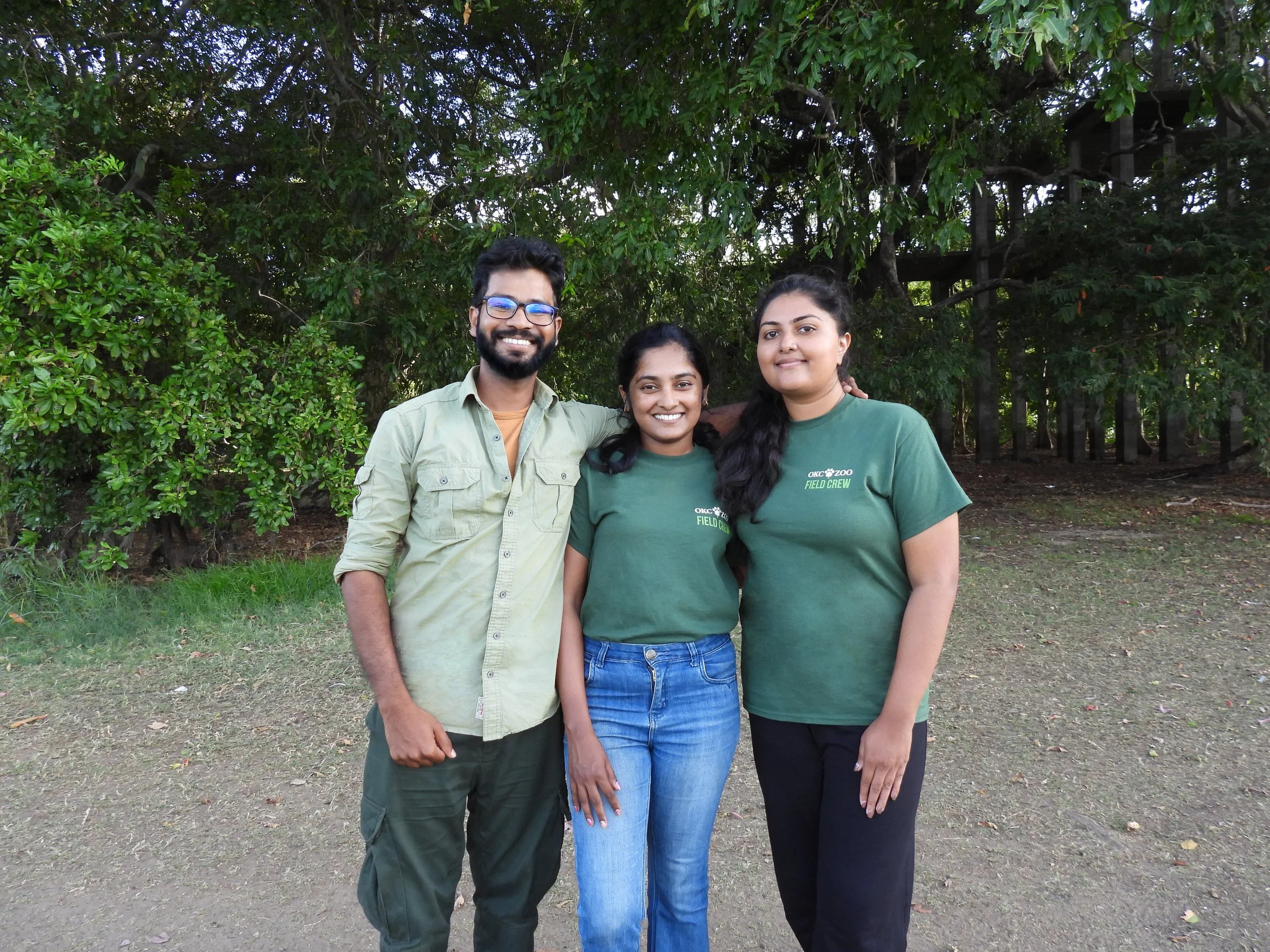
We are investing in the next generation of conservationists in Sri Lanka.
Ongoing and previous research partners of the Sri Lanka Elephant Project:
Additional funding for the Sri Lanka Elephant Project generously provided by:






Where to find us
Our field house is located nearby Dambulla, Sri Lanka, directly adjacent to our field partner, Kaludiyapokuna Primate Conservation and Research Center.
The field house is our center of operations: it is a short drive from the parks in which we observe elephants and from the communities that we serve, and it acts as a hub for data organization and sample storage and processing.